The Folding Anatomy
Precision techniques for preserving garment structure and preventing fiber stress
Understanding Fiber Stress
Improper folding creates permanent creases and weakens fabric at stress points. Each textile requires a tailored approach that respects its unique fiber structure and weight distribution.
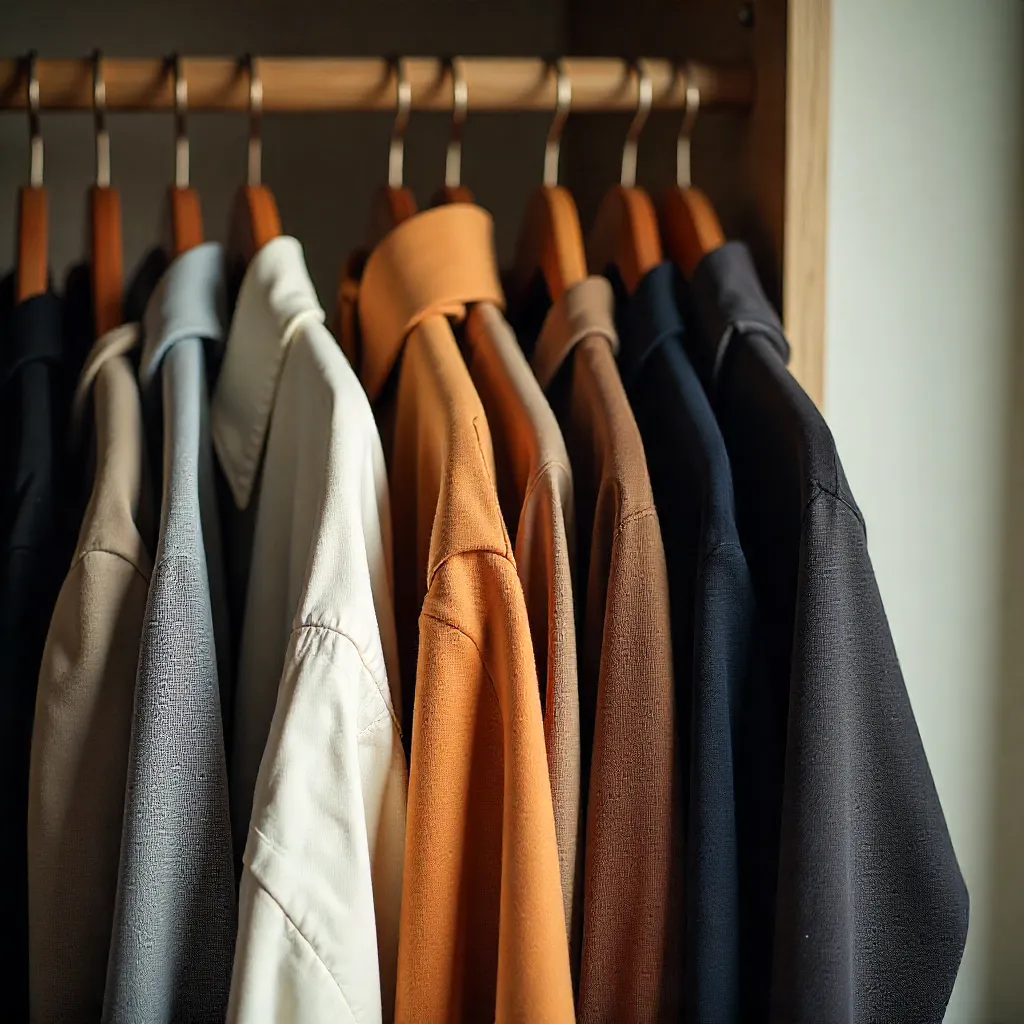
Surface Preparation
Lay the garment on a clean, flat surface. Ensure all buttons are fastened and zippers are closed. Gently smooth out existing wrinkles without stretching the fabric.

Shoulder Alignment
For structured pieces, align shoulders precisely. Fold sleeves inward along natural seams, creating a clean rectangular form that maintains the garment's intended silhouette.

Vertical Folding
Fold vertically along the center back seam. This method prevents horizontal creasing and distributes weight evenly, crucial for heavy knits and structured coats.
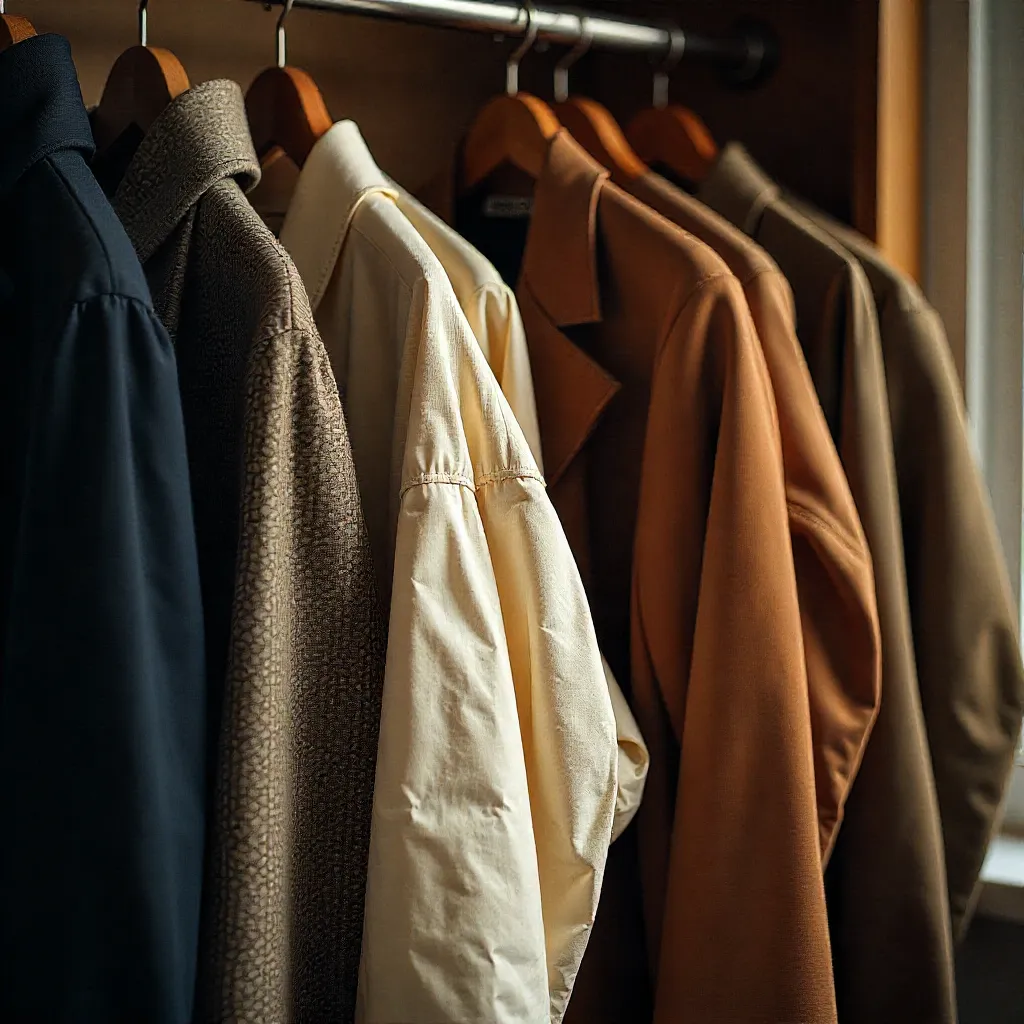
Storage Preparation
Place folded garments with the heaviest items at the bottom. Insert acid-free tissue paper between folds to prevent fiber compression and maintain shape integrity.

Structured Coat Preservation
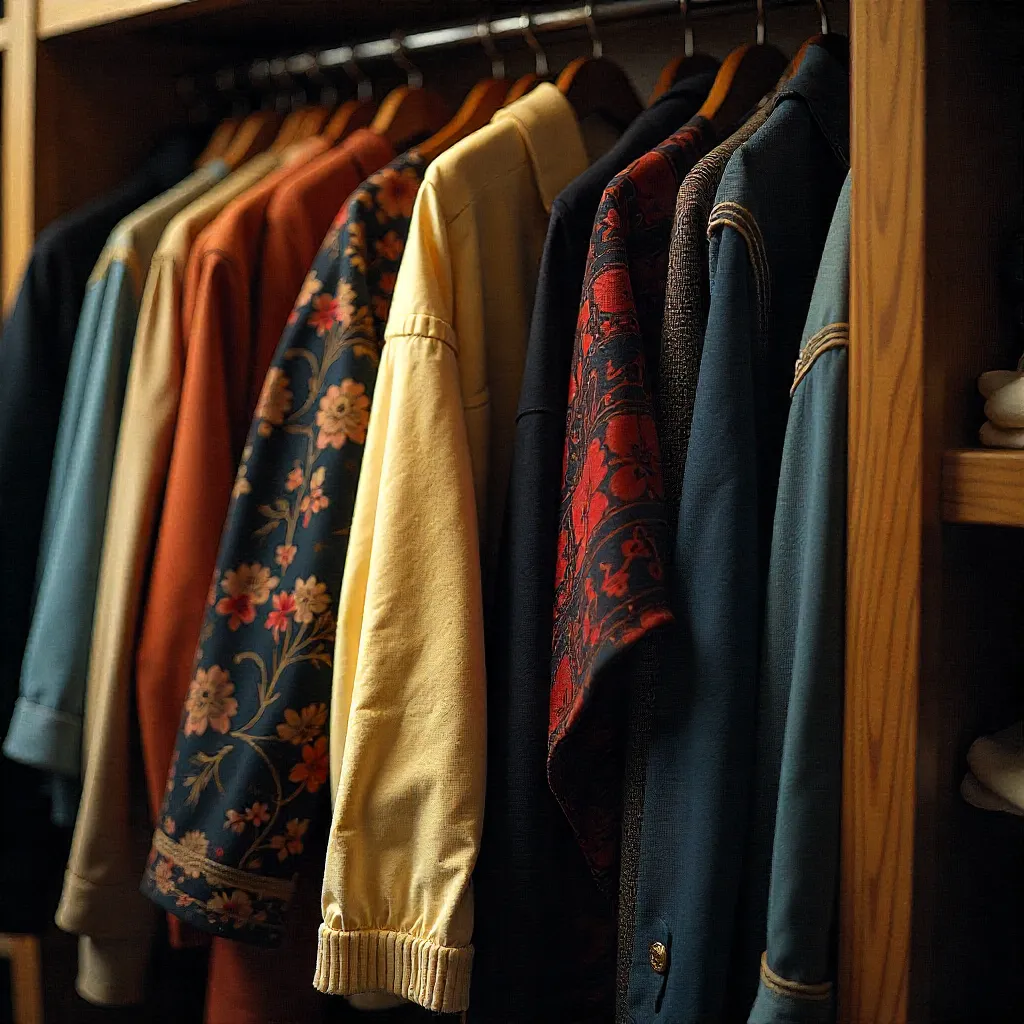
Lapel Protection
Structured coats demand careful attention to lapels and collars. Fold with tissue paper inserts to prevent permanent creasing along these critical structural elements.
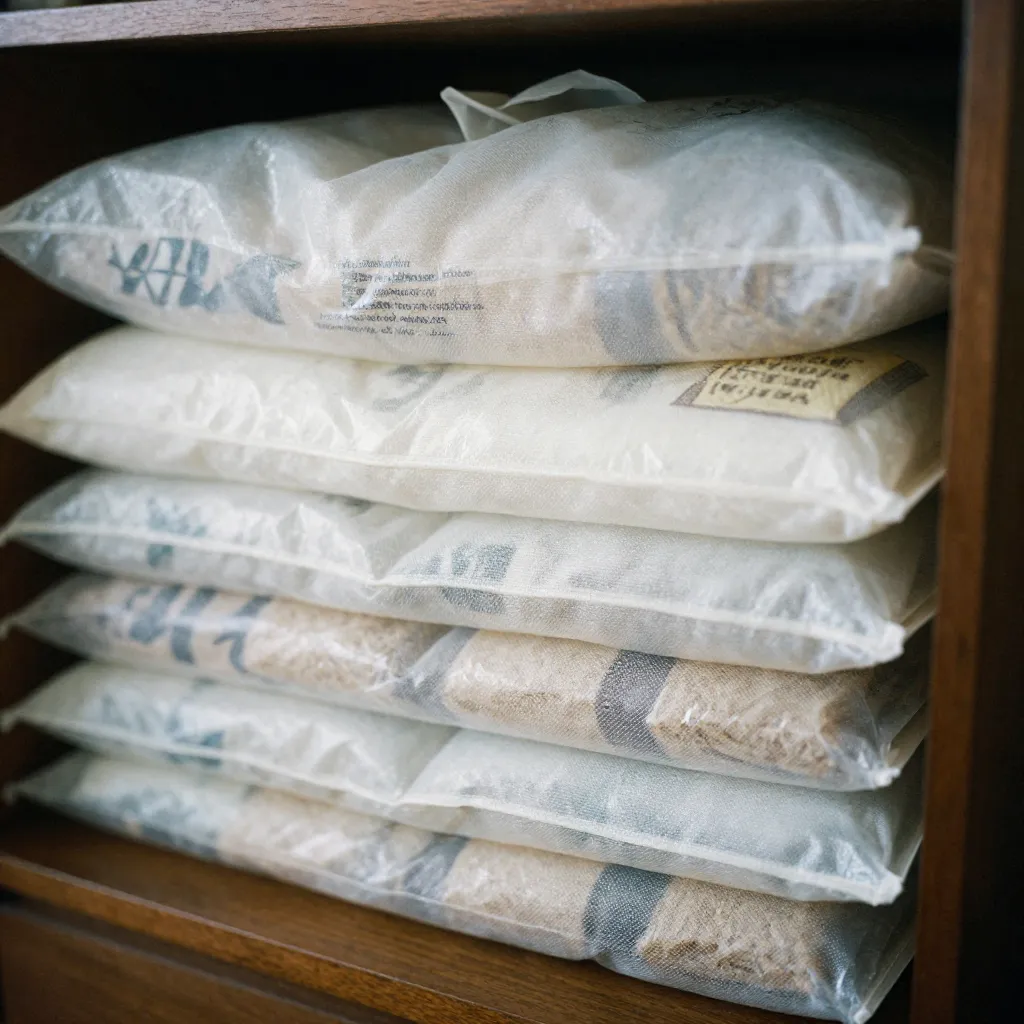
Tailored Garment Care
Maintain the integrity of darts and seams by folding along natural lines. Avoid creating new stress points that could compromise the garment's original construction.
Preventing Permanent Creasing
Fiber stress accumulates over time when garments are repeatedly folded incorrectly. By understanding the relationship between fold placement and fabric structure, you can preserve garments for extended periods without compromising their appearance or integrity.