Acreage of Textiles
Tailored storage solutions for every fabric personality
Storage Personalities
Each textile category demands a unique approach. Understanding these distinctions ensures optimal preservation throughout seasonal storage periods.
The Cashmere Caretaker
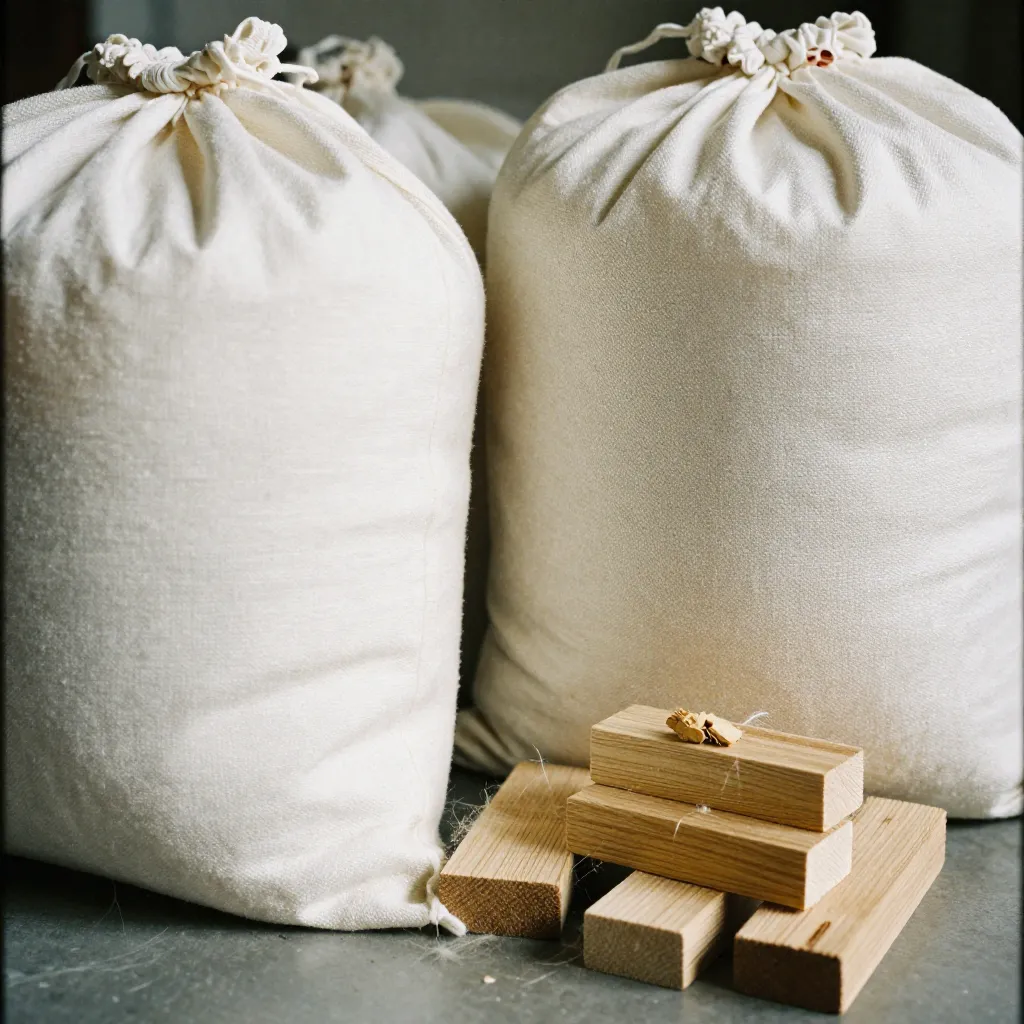
Focus: Moth Prevention
Cashmere requires protection from moths while maintaining breathability. Cedar-lined storage containers create an inhospitable environment for pests without compromising the delicate fiber structure. Combine with lavender sachets for additional protection and aromatic freshness.
Storage temperature should remain consistent between 15-18°C. Avoid plastic containers that trap moisture, instead opting for breathable fabric storage bags with natural pest deterrents.
The Leather Custodian
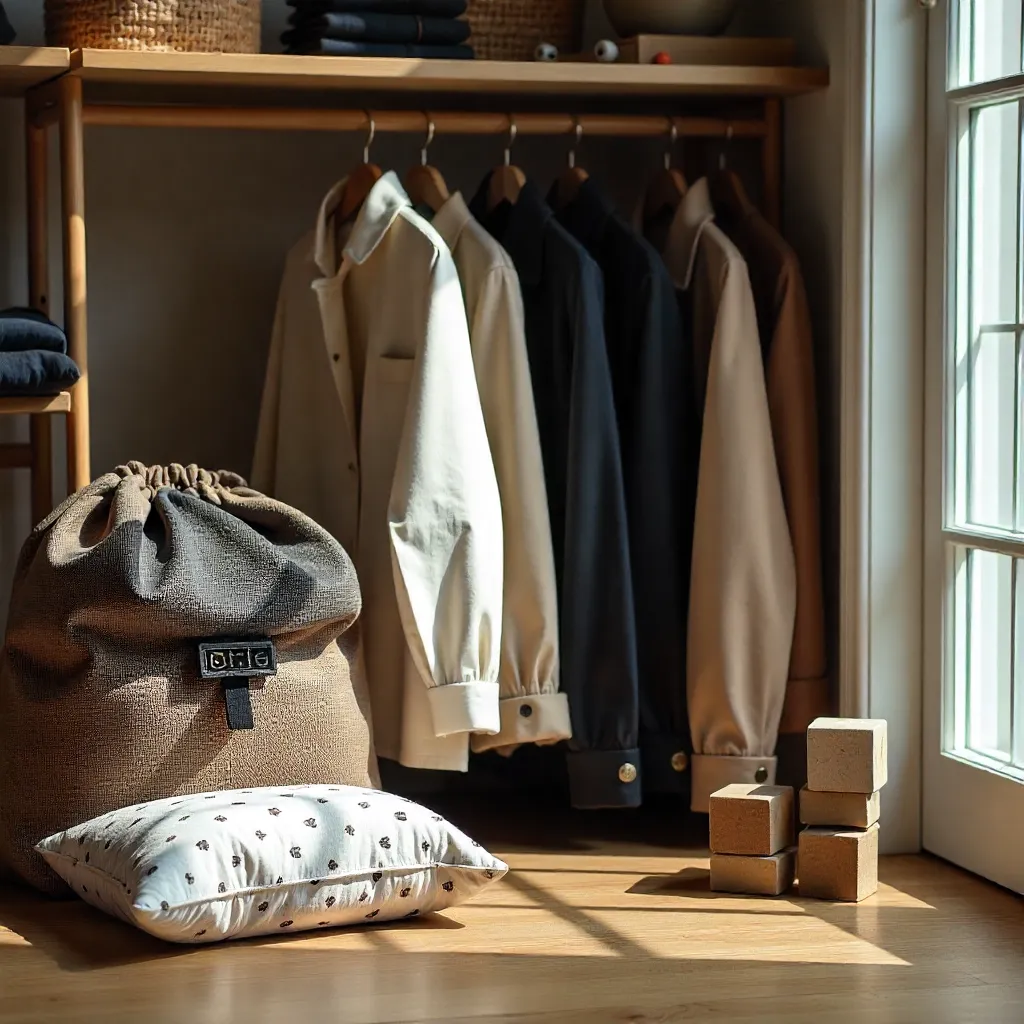
Focus: Breathability and Shape Retention
Leather garments demand careful attention to both shape and moisture control. Store on padded hangers to maintain shoulder structure, never fold leather pieces as this creates permanent creases. Maintain relative humidity between 45-55% to prevent cracking.
Ensure adequate airflow around leather items. Use breathable garment bags rather than sealed containers. Regular conditioning before storage prevents the material from becoming brittle during extended storage periods.
The Silk Specialist
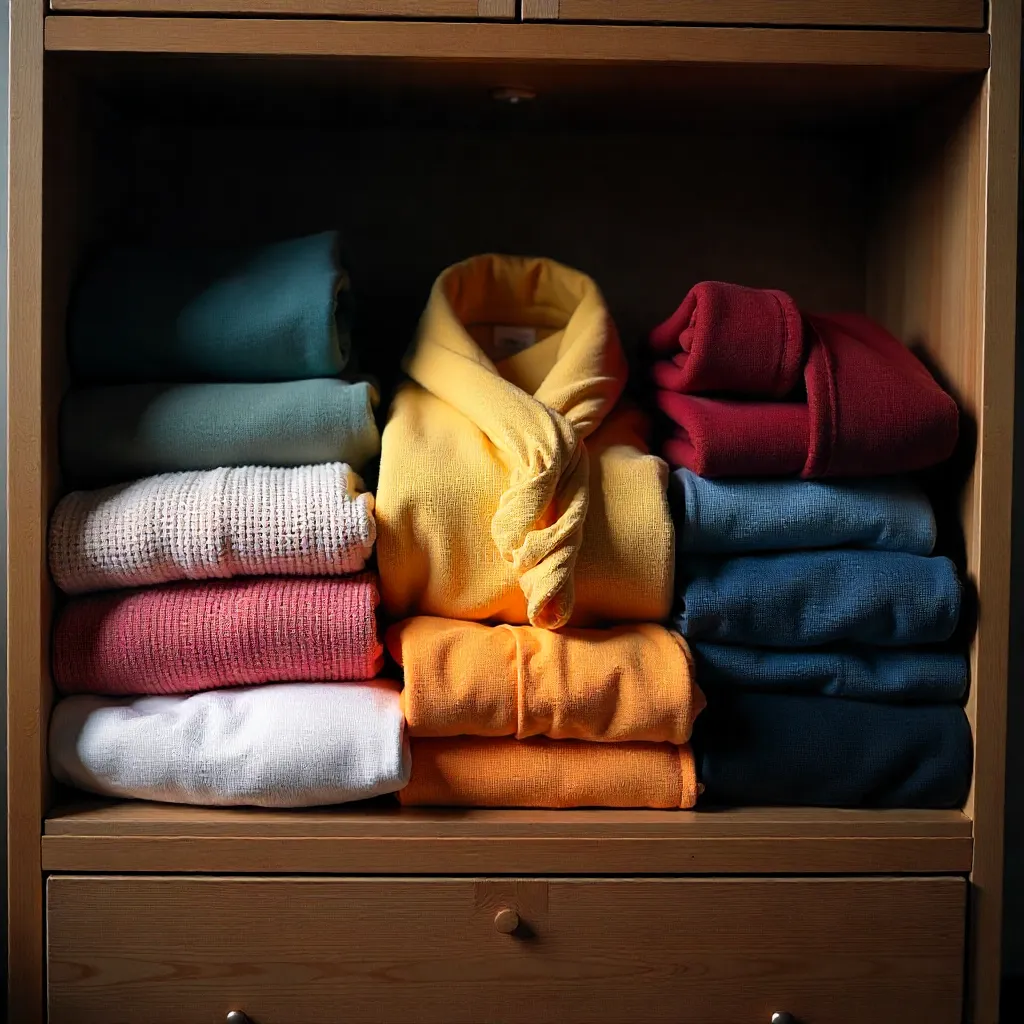
Focus: Light Protection and Gentle Handling
Silk is particularly vulnerable to light damage and requires protection from UV exposure. Store in dark, breathable containers with acid-free tissue paper to prevent color transfer and maintain fabric luster.
Avoid hanging silk garments for extended periods as the weight can cause stretching. Instead, fold carefully with tissue paper inserts and store flat. Maintain stable temperature and humidity levels to prevent fiber degradation.
The Wool Warden
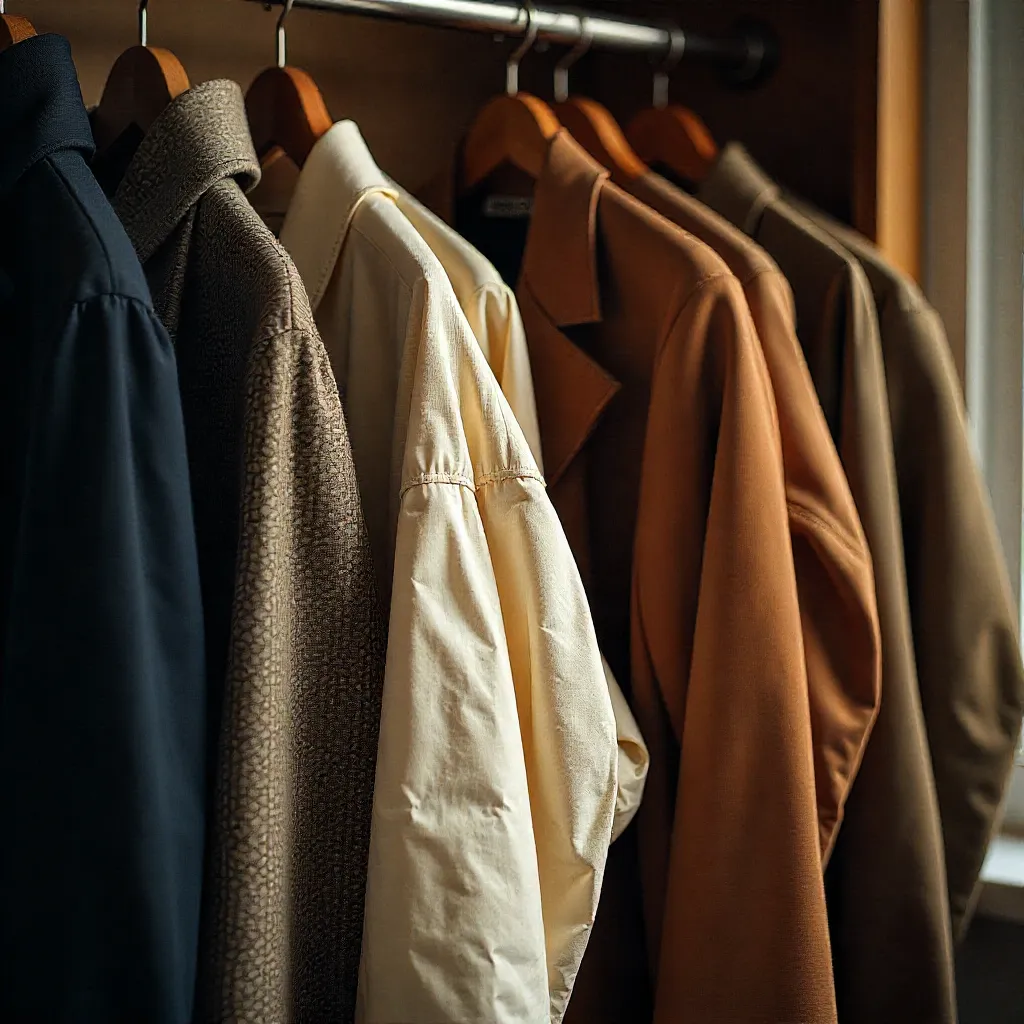
Focus: Moisture Control and Pest Management
Wool requires protection from both moths and excessive moisture. Cedar panels and silica gel packets work together to create an optimal storage environment. Ensure garments are completely clean and dry before storage to prevent odors and pest attraction.
Fold wool items carefully to prevent stretching, using tissue paper to separate layers. Store in breathable containers that allow air circulation while providing protection from pests and light exposure.